

GHG Reduction Activities
Introduction and Expansion of Renewable Energy
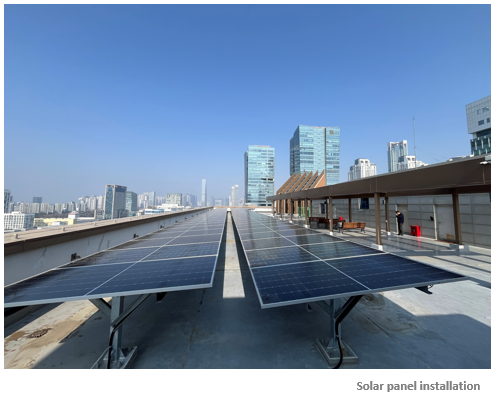
Approximately 98% of MCNEX's total greenhouse gas emissions come from its electricity consumption. To reduce carbon emissions and energy costs, MCNEX installed solar panels in unused spaces, such as the rooftop and rest areas of MCNEX Tower, in December 2024; these panels are now operational. In 2025, the electricity generated by these solar panels reached 110,086 kWh, representing a renewable energy utilization rate of 3.8%. Through this, the company reduced greenhouse gas emissions by approximately 45.9 tCO₂eq*. Furthermore, in February 2026, MCNEX expanded its solar self-generation capacity by adding a 121.41 kW system.
Additionally, MCNEX VINA plans to install solar panels across all facilities at its Plants 1, 2, and 3 in 2026.
*Based on the 2023 electricity emission factor
Third-Party Verification of Greenhouse Gas Emissions
To achieve its 2050 Net Zero target, MCNEX is striving to manage greenhouse gas emissions from its business sites. In 2025, the company obtained verification from Intertek, a global certification body, for its direct (Scope 1) and indirect (Scope 2) greenhouse gas emissions across the three years of 2019, 2023, and 2024, with the organizational boundary defined as its Incheon headquarters and MCNEX VINA. Subsequently in 2026, it measured and verified its greenhouse gas emissions for the years 2022 and 2025. To provide reliable information to stakeholders and transparently disclose ESG information, MCNEX plans to calculate its greenhouse gas emissions and undergo third-party verification annually.
Energy Use Reduction Activities
Reducing Energy Use at Business Sites
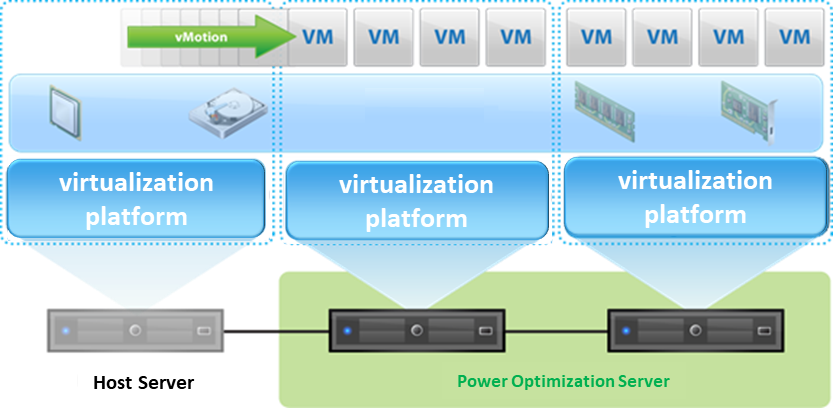
MCNEX headquarters conducts energy-saving campaigns and encourages the participation of all employees to reduce energy consumption and greenhouse gas emissions. Additionally, for effective electricity consumption reduction, the company is operating 42 virtual machine (VM) servers on 6 physical servers through virtualization. MCNEX expects this to reduce its electricity consumption by approximately 85% and plans to continue investing in energy reduction activities.
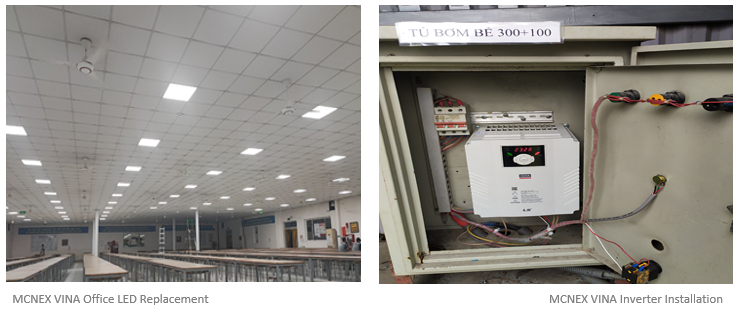
MCNEX VINA is undertaking various activities to reduce its energy consumption. Through energy reduction initiatives such as replacing fluorescent lights and streetlights on its premises with LEDs and installing inverters on the controllers of water supply pumps for water tanks, MCNEX VINA is actively reducing its energy consumption.
Power Resource Optimization through Server Virtualization
Water Resource Management
Water Usage and Wastewater Management
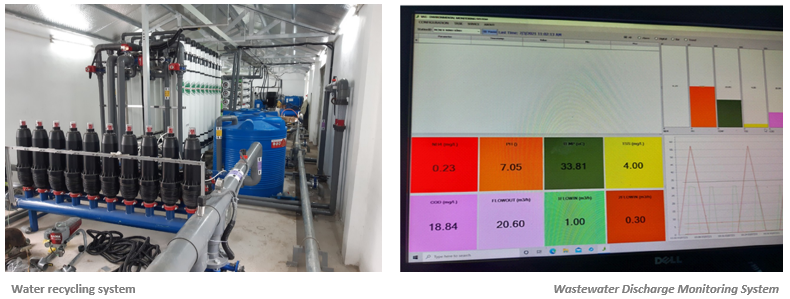
At MCNEX's Songdo headquarters, wastewater is not generated during the development and development sample processing stages. However, at MCNEX VINA, wastewater is generated during its manufacturing processes. To recycle this, a water regeneration system has been introduced and is currently operational. In 2025, the volume of recycled water was 204,606 tons, achieving a recycling rate of 54%.
Additionally, MCNEX VINA conducts quarterly tests of its discharged wastewater quality, striving to ensure emissions remain below legal concentration standards. In particular, to enhance the monitoring of water usage and effluent in 2025, MCNEX VINA established a wastewater discharge monitoring system this year. The monitoring system inspects wastewater discharge quality and allows for real-time checking of discharge volumes. In addition, MCNEX strives to conserve water through company-wide water-saving campaigns.
Water Resource Risk Management
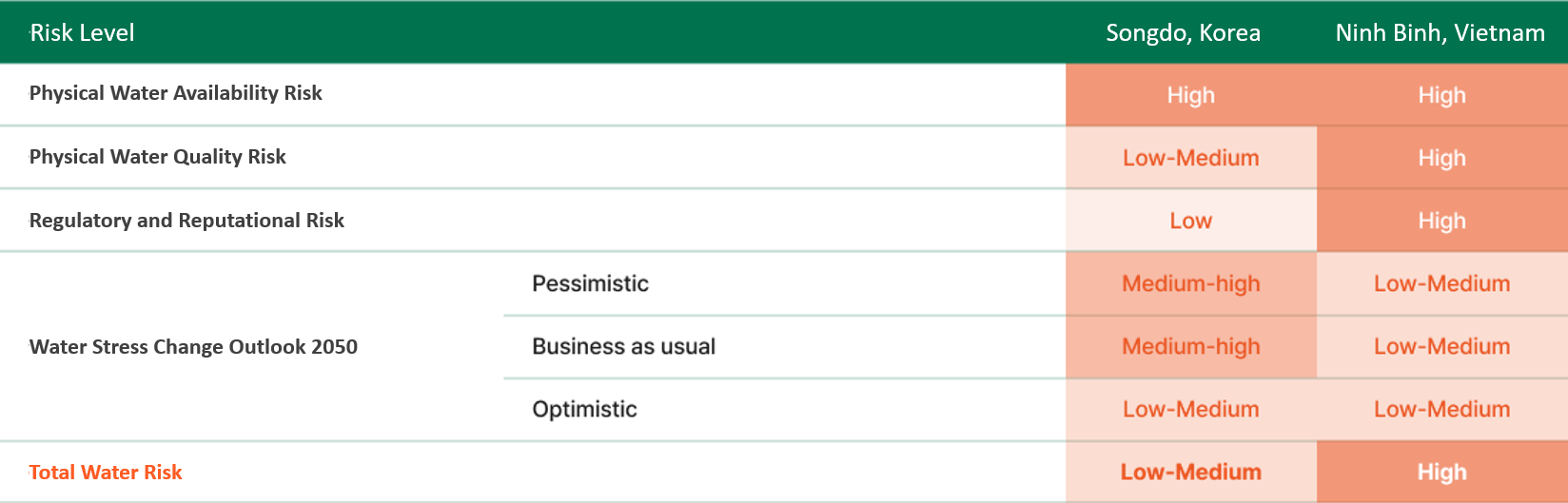
MCNEX utilizes the WRI Aqueduct Water Risk Atlas to identify and systematically manage key water-related risk factors. A recent analysis conducted for its Incheon headquarters and the Vietnam Ninh Binh plant confirmed that the Vietnam Ninh Binh plant is located in a region with high water resource risk. Given that the Vietnam Ninh Binh plant is a major site responsible for producing key products, MCNEX plans to prioritize managing its water resource risks to ensure the continuation of stable operations. In 2025, MCNEX achieved the ‘Awareness’ Level in the CDP Water Security assessment.

Waste Management
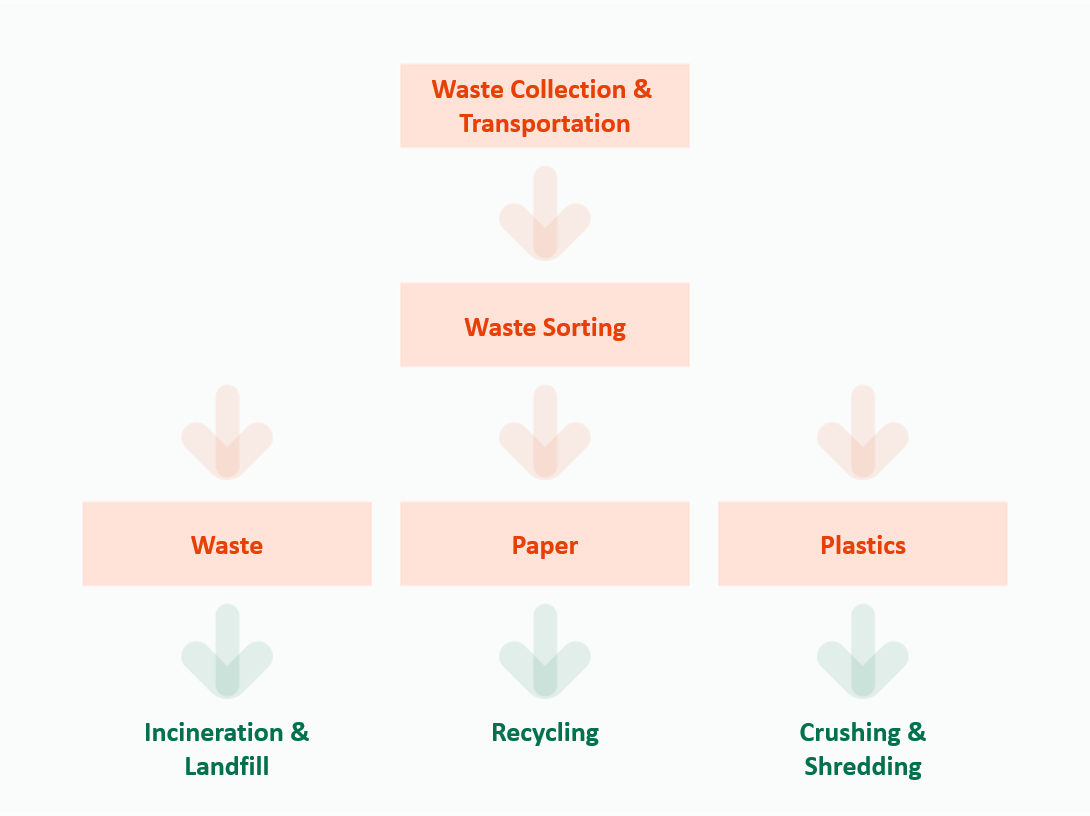
MCNEX accurately records and manages the waste it generates in accordance with the domestic Waste Management Act and Ministry of Environment guidelines. General waste is incinerated through designated waste treatment companies, while designated waste (primarily generated from cleaning solutions used in product washing) is consigned to specialized waste treatment companies for disposal.
MCNEX stores designated waste generated from its business activities in specified storage areas and manages it on a regular basis. Subsequently, this designated waste is collected and treated by the consigned companies, and MCNEX registers and discloses related performance data through the Allbaro System.
Waste Treatment Process
Waste Recycling
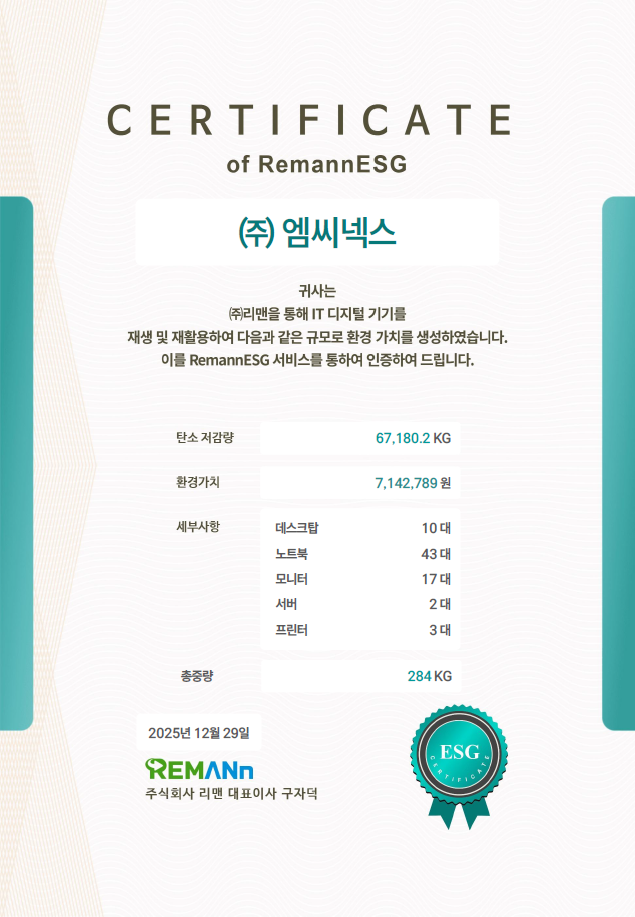
MCNEX headquarters has enhanced its disposal process for aging IT assets to mitigate environmental pollution and promote resource circulation. Previously, outdated IT assets were liquidated through simple sales; however, in 2025, the company established a structured recycling framework in partnership with Remann Co., Ltd., a specialized recycling firm. Under this process, IT assets are thoroughly inspected to screen and select reusable components, which are then recycled and donated to the Nonprofit IT Support Center. In 2025, the company's recycling performance recorded a total of 74 units—encompassing laptops, desktops, monitors, and servers—amounting to approximately 284 kg.
Hazardous Chemical Management
MCNEX complies with global standards for hazardous substances in products, such as EU RoHS, REACH, and IMDS. In 2023, the company submitted its chemical emissions report to Korea's Chemicals Safety Agency and continuously manages its chemical emissions to ensure they remain below 10 tons. For chemicals used in its laboratories, MCNEX prepares Material Safety Data Sheets (MSDS) and makes them readily accessible within the labs for all personnel.

MCNEX MSDS
Air Quality Management
MCNEX headquarters does not operate any air pollutant emitting facilities and does not emit air pollutants.
MCNEX VINA regularly measures the volume of pollutants emitted from its air pollution-emitting facilities and manages these emissions in compliance with legal standards.
Product Environmental Impact Management
Raw Material Management
MCNEX promotes sustainable resource use by efficiently utilizing raw materials in its production processes. As a result of continuous R&D investment, MCNEX unveiled an ultra-slim, high-resolution camera module at CES 2025 in January 2025. This module, featuring a slim-type actuator and packaging, significantly reduces thickness compared to existing products and is expected to contribute to smartphone lightweighting and a reduction in raw material consumption. Furthermore, MCNEX designs its products with modularity for easy disassembly, remanufacturing, and recycling, and strives during the design phase to use homogenous materials to facilitate these processes.

CES 2025
Promoting a Circular Economy
To promote a circular economy, MCNEX applies recycling marks to products from its ‘Eyeclon’ brand, under which it has launched items such as black boxes (dash cams) and golf rangefinders. Furthermore, for the collection, recycling, and recovery of waste electrical and electronic equipment (WEEE), the company also affixes the WEEE certification mark. Additionally, MCNEX arranges for external organizations to conduct analyses and evaluations of hazardous substances that may be generated from WEEE, thereby proactively preventing related risks.

Recycling · WEEE Marks
Life Cycle Assessment (LCA)
MCNEX conducts analyses of carbon emissions generated during the pre-manufacturing and manufacturing stages of its products and strives to reduce greenhouse gases generated during its product manufacturing processes. MCNEX conducted an LCA for two camera module products that were in production in 2024, and additionally evaluated two more camera module products in 2025. The assessment involved collecting data from the pre-manufacturing stage (raw material production) up to the transportation, product manufacturing, and distribution processes. It utilized a combination of direct and indirect investigation methods, depending on the supply chain management level for each component.
Life Cycle Assessment
Classification | Product A | Product B | Product C | 부품 D |
|---|---|---|---|---|
Pre-manufacturing | 15.02 | 1.26 | 1.17 | 1.18 |
Manufacturing | 3.44 | 0.06 | 40.52 | 5,36 |
Distribution | 0.01 | 0.005 | 0.005 | 0.005 |
Total | 18.47 | 1.33 | 41.70 | 6.55 |
Environmental Supply Chain Management
MCNEX conducts ESG evaluations for its major suppliers to enhance sustainability across the entire supply chain. The supply chain ESG evaluation includes environmental indicators across seven categories, which helps preemptively prevent environmental risks and enhance suppliers' environmental management capabilities.
The supply chain environmental evaluation conducted in 2026 covered 27 suppliers, with 23 companies achieving a grade of 'B' or higher. Furthermore, MCNEX conducted on-site audits for three of the high-risk suppliers that received 'C' or 'D' grades.
Supply Chain ESG Evaluation Indicators – Environmental Domain
Category | Detailed |
|---|---|
Environmental Management System | Environmental policies and ISO 14001 certification status |
GHG & Energy | Establishment of GHG inventory and emissions status |
Water Resources | Water consumption and wastewater management |
Air Pollutants | Air pollutant management |
Waste | General and designated waste emissions management |
Chemical Substances | Hazardous chemical substance management |
Environmental Impact of Products | Measures to reduce environmental impacts resulting from product use |